

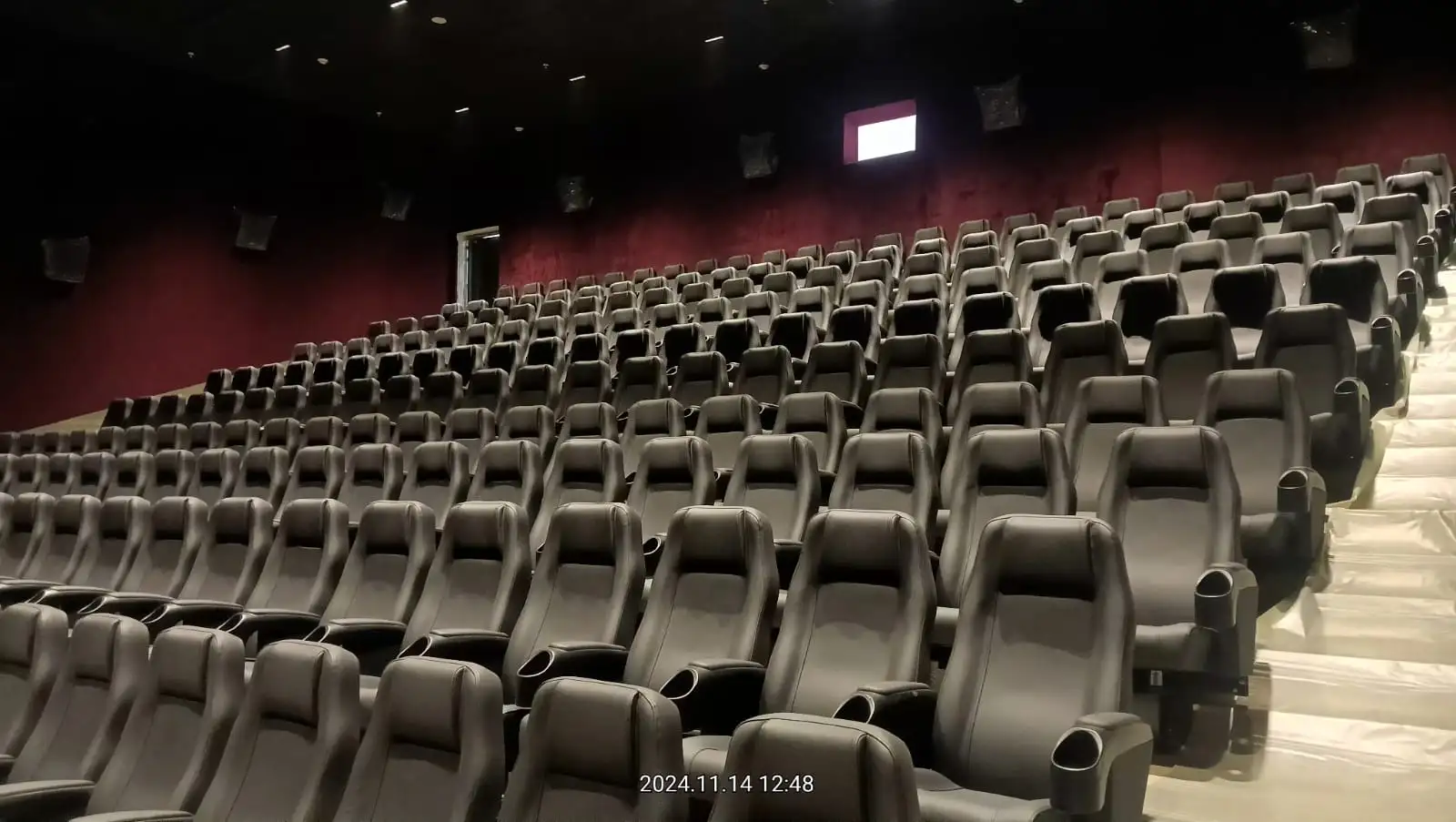
The Psychology of Cinema Seating
A cinema experience is shaped long before the film begins. The moment a viewer enters the hall and chooses a seat, an invisible psychological process starts to unfold. Comfort, perception of space, and even emotional readiness are all influenced by seating design. Cinema seating is not merely a functional product, but a silent contributor to how stories are received and remembered.
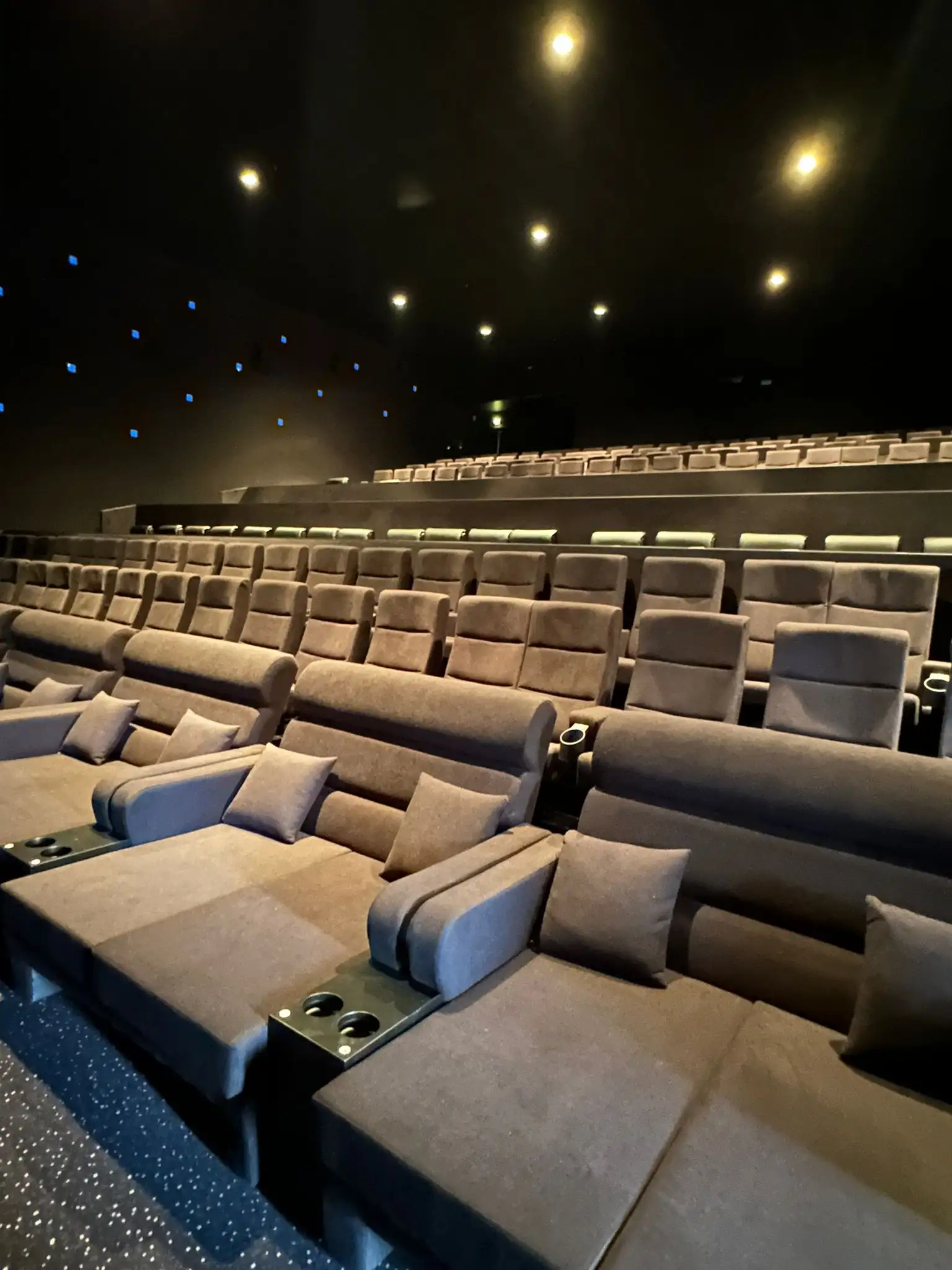
One of the most underestimated aspects of cinema seating is its role in immersion. A well-designed seat does not draw attention to itself, yet it subtly supports the viewer’s body in a way that minimizes distractions. When posture is naturally aligned and pressure points are reduced, the mind is free to engage fully with the screen. Poor seating, on the other hand, constantly reminds the viewer of physical discomfort, breaking the illusion that cinema strives to create.
Spacing and layout also play a psychological role. Seats that are too close can create a sense of confinement, while overly spaced arrangements may reduce the collective atmosphere that makes cinema unique. The balance between personal space and shared experience is critical. A well-planned seating layout allows individuals to feel comfortable without losing the emotional connection to the audience around them.
Material choice contributes significantly to perception. Soft, high-quality upholstery conveys a sense of premium experience, while carefully selected textures influence how users interpret cleanliness and maintenance standards. Even color choices can affect mood. Darker tones tend to enhance focus on the screen, while subtle contrasts can define seating zones without distracting the viewer.
Another important factor is acoustic interaction. Seating materials and structures influence sound absorption within the hall. Properly designed seats help maintain sound clarity by preventing excessive reflection or absorption, ensuring that dialogue and sound effects reach the audience as intended. This creates a more balanced and immersive audio environment, which is just as important as visual quality.
Modern cinema seating also adapts to evolving audience expectations. Features such as reclining mechanisms, integrated accessories, and enhanced ergonomics respond to a growing demand for comfort-driven experiences. However, these features must be integrated without compromising the core purpose of the seat, which is to support attention and immersion.
Cinema operators are increasingly aware that seating is not just an expense, but a strategic element. A well-designed seating system can influence how long viewers are willing to stay, how they perceive ticket value, and whether they choose to return. In this sense, seating becomes part of the storytelling infrastructure itself.
Ultimately, cinema seating exists at the intersection of design, psychology, and engineering. When these elements come together successfully, the seat disappears from conscious awareness, allowing the film to take center stage. This is the true measure of quality in cinema seating: not how much it stands out, but how perfectly it supports the experience without being noticed.
Created By : Simko Cinema Seating